Top Picks

Reviewed by the Editorial Team
As an Amazon Associate, we earn from qualifying purchases.
Last Updated: June 2026 | Written by the Editorial Team
Here is the short answer: to winterize a snow blower correctly, you need to stabilize or drain the fuel, change the oil, lubricate the moving parts, inspect the auger and shear pins, and store the machine in a dry place off the bare concrete. Do those five things in the right order and you will start your machine on the first or second pull next season. Skip them, and you will be paying a small-engine shop $150 to clean a gummed carburetor by November.
This same logic applies to nearly every gas-powered piece of outdoor power equipment: mowers, string trimmers, leaf blowers, pressure washers, and chainsaws. Below is the exact end-of-season process we have refined across seasons of hands-on testing in unheated garages, sheds, and one very damp basement that taught us a lot about what NOT to do.
Why Winterizing Matters More Than People Think
The number one killer of small engines is not wear. It is stale fuel. Modern pump gas contains up to 10% ethanol, and ethanol absorbs water out of the air within about 30 days. That water-laden fuel then sits in the carburetor's tiny jets, oxidizes into a varnish-like gum, and clogs passages thinner than a human hair.
We pulled apart a neglected two-stage snow blower last spring that had sat for seven months with untreated fuel. The float bowl looked like someone had poured maple syrup into it. The repair bill on a $900 machine was $185. A $9 bottle of fuel stabilizer would have prevented all of it.
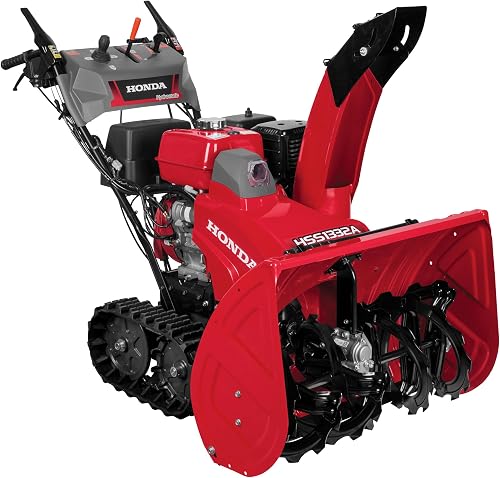
Step-by-Step: How to Winterize a Snow Blower
Follow this sequence at the end of the season, ideally on a dry day with the engine warm from a final run.
1. Stabilize or Drain the Fuel
You have two valid options, and people argue about which is better. Both work.
Option A — Stabilize and store full. Add a quality ethanol-treatment fuel stabilizer at the dose printed on the bottle (usually 1 oz per 2.5 gallons), top off the tank to about 95% full to minimize air space and condensation, then run the engine for 5 to 10 minutes so treated fuel reaches the carburetor. A full tank prevents the inside of the steel tank from rusting.

Option B — Run it dry. Shut off the fuel valve and let the engine run until it stalls. Then pull the carb bowl drain screw, if equipped, to get the last few drops out. This is the method most two-stroke trimmer and blower manufacturers actually recommend.
For four-stroke snow blowers and mowers, we lean toward Option A. For two-stroke handheld equipment, Option B is cleaner because mixed fuel degrades even faster.
2. Change the Engine Oil
Old oil holds combustion acids and moisture that will pit bearings over a long sit. Drain the oil while the engine is still warm (it flows faster and carries more contaminants out), then refill with the viscosity in your owner's manual. For snow blowers run in sub-freezing temperatures, that is usually 5W-30 synthetic. For mowers stored before winter, SAE 30 or 10W-30 is standard.
Check the dipstick on level ground. Overfilling is just as bad as underfilling — it foams the oil and starves the bearings.
3. Replace or Inspect the Spark Plug
Pull the plug, look at the electrode, and gap it to the spec in your manual (typically 0.030 inches for most Briggs and Tecumseh engines). A fouled or worn plug is a $4 part that prevents a no-start headache in October. Put a small dab of anti-seize on the threads before reinstalling.
4. Lubricate Moving Parts
For snow blowers specifically, hit these points with the right lubricant:
- Auger shaft — pull the shear pins, slide the auger off the shaft, and grease the shaft itself with marine-grade waterproof grease so the augers do not seize to the shaft.
- Chute rotation gear — a few shots of white lithium grease.
- Control cables — a drop of light machine oil at each pivot.
- Drive chain (if exposed) — chain lube, not WD-40.
5. Inspect Wear Parts
Now is the cheapest time to replace shear pins, scraper bars, skid shoes, paddles on single-stage units, and drive belts. Doing it in June means you are not standing in a hardware store at 6 a.m. during the first storm of December.
6. Clean and Store Properly
Wipe the machine down. Rust starts where salt and grime sit. Store on a wooden pallet or rubber mat — never directly on concrete, which wicks moisture up through the tires and frame. Cover with a breathable canvas cover, not plastic, which traps condensation.
Tools and Products You'll Need
You do not need much, but you do need the right things. Here is the generic shopping list we recommend evaluating:
- Ethanol-treatment fuel stabilizer — look for a formula rated for ethanol blends up to E10 or E15, with a shelf-life claim of at least 12 months. Marine-grade formulas are typically stronger.
- Small-engine oil — match the viscosity to the season of next use. Synthetic flows better in cold starts.
- Marine waterproof grease — for auger shafts and any metal-on-metal contact exposed to snowmelt.
- Spark plug socket and gap tool — a cheap one-time purchase that lasts a lifetime.
- Breathable equipment cover — canvas or polyester with vents, sized to your machine.
- Fuel siphon pump — makes draining tanks vastly easier than tipping a 200-pound machine.
- Spare shear pins and belts — model-specific, order from your machine's manufacturer.
Off-Season Power Equipment Care for the Rest of Your Fleet
The same principles apply across your shed:
- Lawn mowers — winterize at the end of fall using the same fuel-stabilize-and-oil-change routine. Sharpen the blade before storage so it is ready for the first spring cut.
- String trimmers and leaf blowers (two-stroke) — run them dry. Mixed gas turns to varnish in weeks.
- Pressure washers — this is the one most people get wrong. You must run pump antifreeze (RV-style propylene glycol) through the pump, or a single hard freeze will crack the pump head. Ask us how we know.
- Chainsaws — drain bar oil and fuel, clean the bar groove, and store the chain off the bar in a bag with a light coat of oil.
- Hedge trimmers — clean sap off the blades with mineral spirits, oil them, and store in a sleeve.
Spring Start-Up Checklist
When the season turns, run this six-step check before you yank the cord:
- Visually inspect for rodent damage to wiring and air filters (mice love stored equipment).
- Check oil level and condition on the dipstick.
- Confirm the spark plug is seated and the wire is connected.
- Open the fuel valve and prime per the manual.
- Pull the starter slowly first to confirm no hydrolock from oil migration.
- Start and let it idle for two to three minutes before putting it under load.
Common Mistakes to Avoid
- Leaving untreated ethanol fuel in the tank over summer or winter.
- Storing the machine on bare concrete.
- Using WD-40 as a lubricant — it is a water displacer, not a lubricant.
- Skipping the oil change because the machine "didn't run that much."
- Covering with plastic sheeting, which traps moisture and accelerates rust.
- Forgetting to shut off the fuel valve, which lets the carburetor weep into the cylinder.
Final Thoughts
Winterizing a snow blower is genuinely a 45-minute job once a year. It costs less than $25 in consumables. It is the single highest return-on-effort maintenance task in your entire garage. Do it the same weekend every year — the weekend you put away the mower or the weekend after the last storm — and your equipment will outlast the warranty by a decade.
Key Takeaways
- Choosing the right how to winterize a snow blower means matching capacity and output ports to your actual devices
- Always check actual watt-hours (Wh), not just watts — runtime depends on Wh, not peak output
- Also covers: snow blower storage tips
- Also covers: off season power equipment care
- Also covers: fuel stabilizer snow blower
- Compare price-per-Wh across models to find the best value for your budget