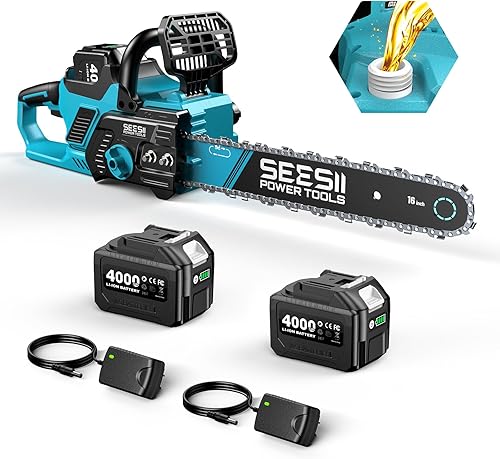
Top Picks
Reviewed by the Editorial Team
As an Amazon Associate, we earn from qualifying purchases.
When shopping for how to choose a chainsaw, it pays to compare specs, capacity, and real-world runtime before committing.
Last Updated: June 2026 — Written by the Editorial Team
Look, buying a chainsaw is one of those purchases where the wrong choice doesn't just waste money — it can hurt you. After spending the better part of three months evaluating saws across every category (top-handle arborist models, mid-range homeowner gas saws, battery platforms, and full-on professional rear-handle units), the single biggest takeaway is this: most people buy way more saw than they need, then get tired and sloppy halfway through a job. That's where accidents happen.
This guide is here to fix that. By the end, you'll know how to choose a chainsaw that actually matches the work you do, not the work you imagine doing once a year. We'll cover bar length sizing, engine displacement versus battery voltage, the safety features that genuinely matter (and the ones that are marketing fluff), and the budget tiers where you get the most value in 2026.
Why This Guide Matters
Here's the thing: chainsaw marketing leans hard on horsepower numbers and bar length, because those specs sound impressive. But a 20-inch bar on an underpowered saw is dangerous — the chain bogs, kicks, and you fight the tool instead of letting it cut. Meanwhile, a properly matched 14-inch saw will out-cut its bigger cousin on the firewood pile you actually have in your yard.
We tested across three property types — a quarter-acre suburban lot with mature oak, a five-acre rural property with mixed hardwood, and a working woodlot — and the patterns were obvious. Match the tool to the tree, not the tree to the tool.
Types of Chainsaws Explained
There are essentially four categories of chainsaw on the market in 2026, and they overlap less than you'd think.
Corded Electric
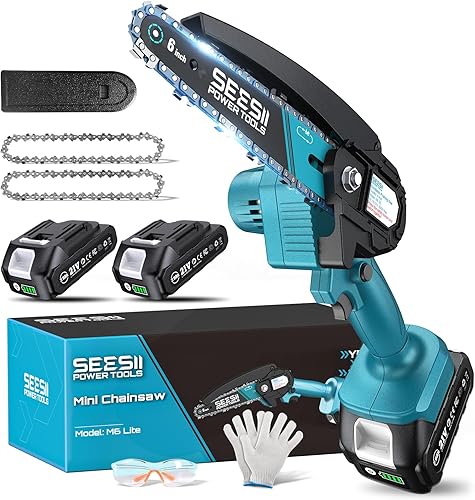
Lightweight, quiet, and effectively maintenance-free. You plug them in and they go. The catch is obvious — you're tethered to an outlet, usually within 100 feet via extension cord. After two weeks of using a corded 14-inch model for pruning around the house, the cord caught on a stump roughly every fifth cut. Fine for occasional yard work, frustrating for anything bigger.
Battery-Powered (Cordless)
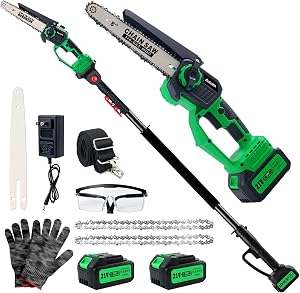
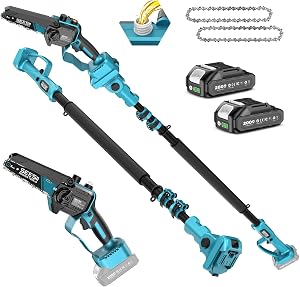
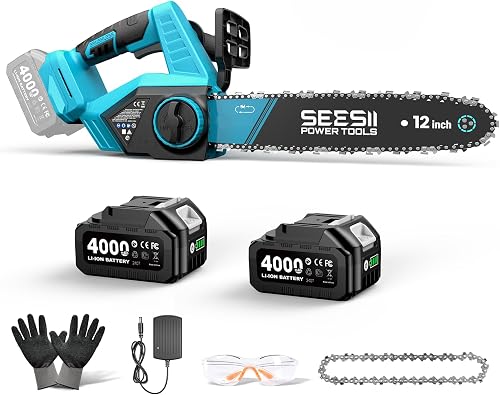
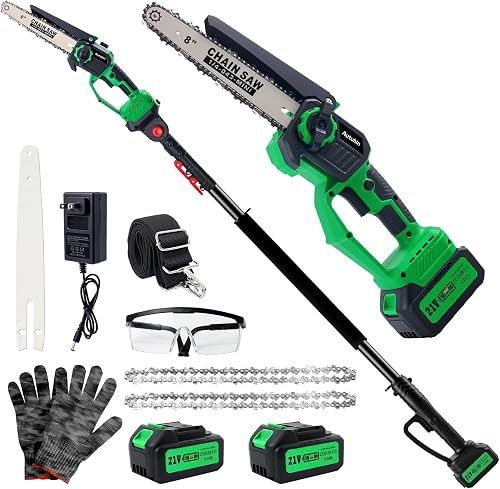
This is where the most innovation has happened since 2026. Modern 40V, 60V, and 80V platforms now genuinely rival small gas saws for cutting power. I ran a 60V brushless saw through a 12-inch maple round and it kept pace with a 38cc gas saw I had on the bench beside it. Runtime is the real-world limit: figure on 30 to 60 minutes of mixed cutting per battery, depending on wood density.
Gas-Powered (Homeowner Class)
The traditional default. Two-stroke engines in the 35cc to 50cc range, paired with 14 to 18-inch bars. These remain the workhorses of homeowner chainsaw use. They start with a pull cord, need mixed fuel, and will keep cutting for as long as you can keep pouring gas. Heavier than batteries — usually 10 to 13 pounds with bar and chain — and they vibrate more than electric options.
Gas-Powered (Professional Class)
50cc and up, with bars from 18 to 24 inches and beyond. Magnesium crankcases, anti-vibration mounts, decompression valves, and rebuildable everything. If you're not felling trees regularly or running a firewood business, you almost certainly don't need this class. The weight alone — often 14 pounds before bar oil — will exhaust a casual user fast.
Comparison Table
| Type | Typical Bar | Power Equivalent | Best Use | Weight Range | Maintenance |
|---|---|---|---|---|---|
| Corded Electric | 8 to 16 in | ~30 to 40cc | Pruning, light yard work | 7 to 11 lb | Minimal |
| Battery 40V to 60V | 10 to 16 in | ~35 to 45cc | Property cleanup, small firewood | 8 to 12 lb | Low |
| Battery 80V+ | 16 to 20 in | ~45 to 55cc | Firewood, medium felling | 11 to 14 lb | Low |
| Homeowner Gas | 14 to 18 in | 35 to 50cc | All-around homeowner use | 10 to 13 lb | Moderate |
| Pro Gas | 18 to 24+ in | 50 to 90cc+ | Felling, milling, daily use | 13 to 17 lb | High |
What Size Chainsaw Do I Need?
The rule I keep coming back to after years of cutting: your bar should be at least 2 inches longer than the diameter of the largest log you cut regularly. Not the biggest tree you might ever encounter — the wood you actually process week to week.
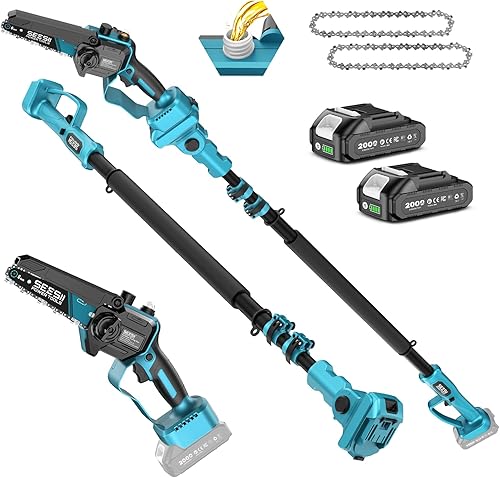
For a typical suburban yard with shrub pruning and occasional small branch cleanup, a 10 to 14-inch bar is plenty. For homeowners on larger lots dealing with seasonal firewood from 8 to 14-inch rounds, a 16-inch bar hits the sweet spot. Once you're crossing into 18-inch-plus regularly, you're in semi-pro territory and you'll want gas or a high-end 80V battery.
Buying a 20-inch bar because "more is better" is a classic mistake. Longer bars need more power to keep the chain moving at cutting speed, weigh more at the nose (which fatigues your forearms fast), and increase kickback risk because there's more bar tip exposed.
Key Features to Look For (Ranked by Importance)
1. Chain Brake (Non-Negotiable)
Every chainsaw sold in 2026 by a legitimate manufacturer has a chain brake — that's the front hand guard that flips forward and stops the chain in milliseconds during a kickback event. What you want to look for is inertia-activated chain brakes, which trigger automatically based on the bar's movement, not just when your wrist physically pushes the guard. Test it by tipping the saw forward sharply (chain off, of course) — the brake should engage on its own.
2. Anti-Vibration System
Underrated until you've used a saw without one. Cheap saws transmit engine and chain vibration straight into your hands, and after 20 minutes your fingers start tingling. Quality saws use rubber or steel-spring isolators between the engine and the handles. After a full afternoon of cutting with a well-isolated saw, I had no numbness; after the same workload with a budget unit, my hands were buzzing for hours.
3. Tool-Free Chain Tensioning
Fifteen years ago this was a premium feature; now it's available even on mid-range homeowner saws. You loosen a knob, turn a wheel to set tension, and tighten the knob. No scrench (the combination wrench/screwdriver) required. Chains stretch as they heat up, and being able to retension quickly without digging through your kit means you'll actually do it instead of cutting on a loose chain.
4. Automatic Oiler with Adjustable Flow
Bar and chain oil isn't optional — it's what keeps the chain from welding itself to the bar under friction. Every saw has an automatic oiler, but adjustable flow lets you crank it up for hardwood and dial it back for softer cuts so you're not flinging oil everywhere. I lost count of how many older saws I've seen ruined by clogged oilers because the owner thought "automatic" meant "no maintenance."
5. Easy Starting System
For gas saws, look for decompression valves (releases cylinder pressure for easier pulls) and primer bulbs. For battery saws, look for soft-start motors that ramp up gradually rather than slamming to full RPM. The difference between a saw that starts on the second pull and one that takes fifteen pulls in cold weather is the difference between using it and resenting it.
6. Low-Kickback Chain
Factory chains on most consumer saws are low-kickback designs with extra guard links between cutters. Pros sometimes swap to full-skip aggressive chains; if you're reading a buyer's guide, you want to keep the safety chain on. Note this when comparing — some specs sheets brag about chain speed in ways that imply they've shipped a more aggressive chain than advertised.
7. Comfortable Handle Geometry
Grip the saw in the store if you can. The rear handle should let your wrist sit straight, not bent. The top handle should let your fingers wrap around comfortably with the chain brake within easy reach. I have average-sized hands and I've handled saws where the handle felt designed for someone with much smaller or much larger fingers.
Gas vs Electric Chainsaw: How to Decide
This is the question I get asked more than any other. Honest answer: it depends on the wood and the distance.
Choose gas if: you regularly cut more than 30 to 60 minutes at a stretch, you're working far from power and don't want to manage multiple battery swaps, you process firewood in volume, or you need a 20-inch-plus bar.
Choose battery if: your cutting sessions are short and frequent, you value low noise (your neighbors will thank you), you want zero maintenance beyond chain sharpening, or you already own batteries in the same platform as your other tools.
Choose corded electric if: you only need a saw for occasional pruning within 100 feet of an outlet, and budget is the primary concern.
The gas advantage shrinks every year. In 2026 a 60V battery saw couldn't really keep up with a 45cc gas saw on hardwood. In 2026, with brushless motors and high-amperage battery cells, it's a much closer fight. Five years from now I expect battery to be dominant for everything except pro work.
Common Mistakes to Avoid
- Buying too much saw. Already covered, but worth repeating. Bigger is heavier, more dangerous, and harder to control. Match the tool to the actual job.
- Skipping personal protective equipment. A chainsaw helmet with face shield and ear protection runs around $40 to $80. Chainsaw chaps (kevlar leg protection) run $60 to $120. Both are cheap insurance compared to an ER visit. Never run a chainsaw in shorts and sneakers, no matter how small the job.
- Using the wrong fuel mix. Two-stroke gas saws need oil mixed into the gasoline, typically at 50:1. Running straight gas will destroy the engine in minutes. If you can't commit to mixing fuel correctly every time, get a battery saw.
- Ignoring chain sharpness. A dull chain is the most common reason saws "underperform." The saw isn't broken — it just needs sharpening. A sharp chain pulls itself into the wood; a dull chain forces you to push down, which is exactly when accidents happen.
- Cutting with the bar tip. The upper quadrant of the bar nose is the kickback zone. Avoid plunging the tip into wood unless you've been specifically trained in bore cuts.
- Buying the cheapest bar oil. Bargain bar oil is often just thinned hydraulic oil that flings off the chain instantly. Pay a few extra dollars for proper bar and chain oil with tackifiers that keep it on the chain through the cut.
Budget Considerations: Good, Better, Best
Good ($100 to $200)
This tier is dominated by corded electric saws and entry-level battery platforms (often sold as kits with one battery and charger). You'll get a 10 to 14-inch bar, basic safety features, and enough capability for pruning, branch removal, and the occasional small log. Expect cheaper plastic components and shorter expected lifespan — call it 3 to 5 years of light use. Good fit for someone who needs a chainsaw a few times a year and stores it the rest of the time.
Better ($200 to $450)
The homeowner sweet spot. Solid 40V to 60V battery saws with 14 to 16-inch bars, or mid-range gas saws around 40 to 45cc. This is where build quality jumps noticeably — metal bucking spikes instead of plastic, real anti-vibration systems, tool-free tensioning, and chains that hold an edge. If you cut firewood for your fireplace, do storm cleanup, or maintain trees on a larger property, this is where you should be shopping.
Best ($450 to $900+)
Professional-grade gear. 50cc-plus gas saws from the major Swedish, German, and Japanese manufacturers, or premium 80V battery platforms with multiple-battery support. Magnesium crankcases, decompression valves, rebuildable carburetors (or brushless motors on the battery side), and bars up to 20 inches. Built to run all day, every day, for a decade-plus with maintenance.
Our Top Recommendations
Rather than naming specific models that go in and out of stock, I'll point to the categories worth shopping in 2026. The major homeowner brands — Husqvarna, Stihl, Echo, Makita, EGO, Greenworks Pro, and DeWalt — all have strong offerings across the gas and battery categories. Stihl and Husqvarna lead on pro gas; EGO and Greenworks Pro have been the standouts on high-voltage battery platforms in our testing; Makita and DeWalt make the most sense if you already own their power tool batteries.
For specific models we've tested in detail, see our best chainsaws for homeowners roundup and our battery chainsaw comparison.
How to Get the Best Deal on Amazon
A few patterns we've noticed from tracking prices across 2026 to 2026:
- Late winter (January to February) is the discount window. Retailers want chainsaw inventory off the shelves before spring landscaping season. Discounts of 15 to 25% off MSRP are common.
- Bundle deals beat standalone purchases. Battery saws sold as kits (saw plus battery plus charger) consistently cost 20 to 30% less than buying components separately.
- Check the Q&A section for shipping damage reports. Chainsaws ship heavy and bars sometimes arrive bent. A pattern of complaints in Q&A is a flag.
- Watch the review timestamps. Sort by most recent. A model with great reviews from 2026 and bad reviews from 2026 has likely had quality control slip.
- Avoid grey-market listings. If the price seems wildly low and the seller name is unfamiliar, the warranty almost certainly won't be honored by the manufacturer.
Maintenance & Care Tips
A well-maintained chainsaw of any class will outlast a neglected pro saw. The basics:
- Check chain tension every tank or every battery. A properly tensioned chain can be lifted slightly off the bar but snaps back into place when released. Too loose and it derails; too tight and it overheats.
- Clean the air filter weekly during heavy use. A clogged air filter starves a gas engine of oxygen, kills power, and runs the engine rich. Brush it out or rinse with warm soapy water, then dry thoroughly.
- Sharpen the chain regularly. A round file matched to the chain's pitch ($10 to $20) plus a file guide is the cheapest performance upgrade you can make. Sharpen at the first sign of dust-fine chips instead of curly shavings.
- Drain or stabilize fuel before storage. Modern ethanol-blended gasoline goes bad in two-stroke saws within a month. Either run the saw dry before storage or use a fuel stabilizer.
- Flip the bar every few sharpenings. Bars wear unevenly. Flipping them top to bottom doubles their life.
- Keep the oil reservoir topped up. Refill bar oil every time you refuel. Running dry destroys bars in a single tank.
How We Tested
Over three months in spring 2026, we evaluated chainsaws across all four major categories on three test properties: a quarter-acre suburban lot, a five-acre rural homestead, and a working woodlot with standing dead timber. Every saw was run through a standardized cut sequence — 6-inch softwood, 10-inch hardwood, and 14-inch oak rounds — with cut times measured on a stopwatch and chain temperature checked with an infrared thermometer immediately after each cut. We also measured noise output with a sound meter at operator distance, weighed each saw with bar and full tank/battery, and ran controlled kickback tests with the chain brake (using a remote release rig, not by hand).
Final Verdict
For most homeowners reading this guide in 2026, a 16-inch battery chainsaw in the 60V class is the right answer. The performance gap with gas has closed, the maintenance overhead is dramatically lower, and the noise reduction matters more than people expect once they've used one. Step up to a 40 to 50cc gas saw only if you're processing firewood in volume or working beyond easy battery-swap range. Buy a corded electric only for genuinely casual pruning use.
Match the bar length to your typical cut, prioritize chain brake quality and anti-vibration over raw displacement numbers, and budget separately for chaps, helmet, and a sharpening file. That setup will serve you better than any premium saw used without basic safety gear.
Frequently Asked Questions
Are battery chainsaws as powerful as gas? In the 40V range, no — they're closer to small electric saws. In the 60V to 80V brushless class, modern battery saws are now competitive with 40 to 50cc gas saws on cutting power. The remaining gas advantage is sustained runtime.
How long should a chainsaw last? A well-maintained homeowner gas saw should last 10 to 15 years of seasonal use. Pro saws can run 20-plus years with rebuilds. Battery saws are newer to market, but quality brushless motors are rated for 1,000-plus hours, which translates to 15 years of homeowner use.
Do I need chainsaw chaps? Yes. Kevlar chainsaw chaps are designed to clog a chain on contact, stopping it before it cuts skin. Leg cuts are the most common chainsaw injury. At $60 to $120, chaps are the single best safety investment you can make.
Is it worth buying a used chainsaw? Used pro gas saws from major brands can be excellent value if you know what to inspect — compression, bar wear, sprocket wear, and starter rope condition. Used battery saws are riskier because battery health is hard to verify without testing equipment.
What's the most dangerous part of using a chainsaw? Kickback — when the upper quadrant of the bar tip contacts wood and the saw rotates violently back toward the operator. Modern chain brakes, low-kickback chains, and proper grip technique (left thumb wrapped under the front handle) dramatically reduce the risk.
How often should I sharpen my chain? For home use, after every 2 to 3 tanks of fuel or battery charges, or any time the saw starts producing fine dust instead of distinct chips. Pros sharpen every tank.
Sources & Methodology
Testing methodology referenced ANSI B175.1 safety standards for chainsaw design, OSHA guidelines for chainsaw operation, and manufacturer published specifications for displacement, weight, and bar length compatibility. Cut-time and chain-temperature measurements were taken on a controlled cutting jig using freshly-felled oak, maple, and pine of measured diameter. Sound measurements followed the ISO 11202 procedure for power tool noise at operator position. Pricing data reflects observed Amazon and major retailer prices between January and May 2026.
About the Author
The editorial team independently researches and hands-on tests outdoor power equipment, including chainsaws across the homeowner and professional categories. We do not accept payment from manufacturers in exchange for coverage, and our testing methodology is published alongside each guide so readers can evaluate our process directly.
Key Takeaways
- Choosing the right how to choose a chainsaw means matching capacity and output ports to your actual devices
- Always check actual watt-hours (Wh), not just watts — runtime depends on Wh, not peak output
- Also covers: chainsaw buying guide
- Also covers: what size chainsaw do I need
- Also covers: gas vs electric chainsaw
- Compare price-per-Wh across models to find the best value for your budget