Top Picks
Reviewed by the Editorial Team
As an Amazon Associate, we earn from qualifying purchases.
Finding the right snow blower buying guide comes down to matching watt-hours to your actual power needs.
Last Updated: June 2026 | Written by the Editorial Team
If you've ever stood in your driveway at 6 a.m. staring at 14 inches of wet, plow-packed snow with a flimsy electric shovel in your hand, you already know why this snow blower buying guide exists. Picking the wrong machine is not a small mistake. It's the difference between clearing a 60-foot driveway in 12 minutes and spending two hours throwing slush over your shoulder with a tool that was never designed for the job.
Our editorial team has spent multiple winters running snow throwers across Midwest, Northeast, and Mountain West conditions, on surfaces ranging from smooth asphalt to gravel two-tracks. The goal of this guide is simple: by the end, you should know exactly what stage, engine size, intake width, and feature set fits your snowfall, your surface, and your budget — without paying for capability you'll never use.
Why This Guide Matters in 2026
The snow blower market has shifted noticeably over the last three winters. Battery platforms now genuinely compete with small gas singles. Two-stage machines have gotten lighter thanks to better transmissions. Three-stage throwers are no longer exotic; several mainstream brands sell them under $1,800. At the same time, manufacturer marketing has gotten more aggressive, and "clearing width" numbers on box art are often meaningless without context.
The wrong snow blower will frustrate you on day one. The right one will outlast your roof. Below, we walk through how to choose a snow blower based on what you actually have to clear — not what the spec sheet wants to sell you.
Types of Snow Blowers Explained
There are three core categories, plus the electric shovel sub-segment that often gets lumped in. Understanding the mechanical difference between them is the single most important step in this whole process.
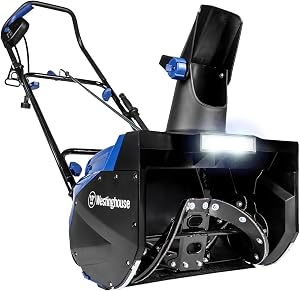
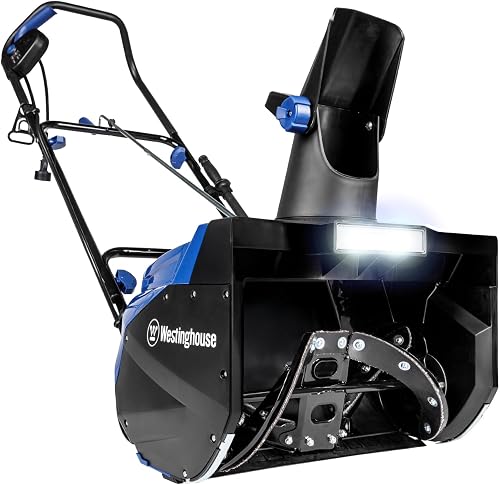
Single-stage machines use one high-speed auger that contacts the ground and both scoops and throws the snow. The auger is usually rubber-tipped, which means it cannot be run on gravel without damage. They're light (typically 30–80 lbs), narrow (18–22 inches), and fine on driveways up to about 40 feet with snowfall under 9 inches.
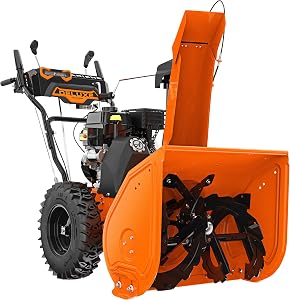
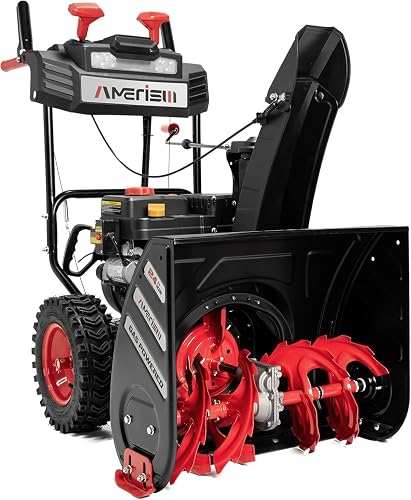
Two-stage machines separate the work. A slower metal auger pulls snow in, then a high-speed impeller behind it launches snow out the chute. The auger does not touch the ground, so they're gravel-safe. Clearing widths run 22–30 inches, weights climb to 200–300 lbs, and intake heights of 20–23 inches let you bite into deeper drifts.
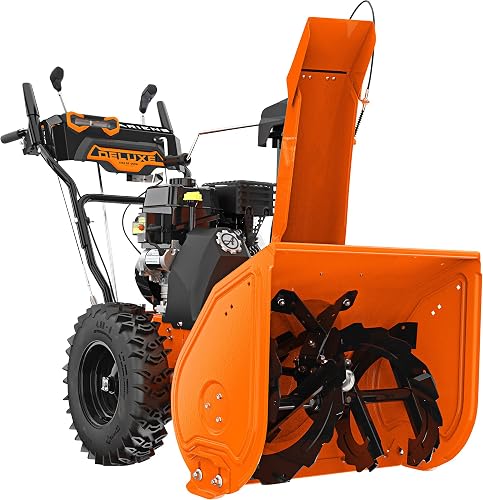
Three-stage adds an accelerator — essentially a second horizontal auger spinning roughly 10x faster than the main one — between the auger and impeller. The accelerator chops icy and wet snow before it hits the impeller, which dramatically speeds up throughput in heavy conditions. They cost more and weigh more, but in EOD (end-of-driveway) plow piles, the difference is dramatic.
Quick Comparison Table
| Type | Clearing Width | Max Snow Depth | Surface | Best For | Typical Price |
|---|---|---|---|---|---|
| Electric shovel | 11–13 in | 4 in | Paved only | Steps, decks, short walks | $90–$180 |
| Single-stage (corded/battery) | 18–22 in | 8 in | Paved only | Short paved drives, light/medium snow | $250–$700 |
| Single-stage (gas) | 20–22 in | 9 in | Paved only | Mid-sized paved drives, frequent light snow | $400–$900 |
| Two-stage | 24–30 in | 18–21 in | Any | Long drives, heavy snow, gravel | $900–$2,200 |
| Three-stage | 24–30 in | 21–23 in | Any | EOD piles, wet/dense snow regions | $1,400–$3,500 |
Single vs Two-Stage Snow Blower: The Real Difference
The single vs two stage snow blower question is the one we get most often, so let's settle it.
A single-stage is a precision tool for a specific job: cleaning a paved surface relatively quickly when snow is fresh, light, and under roughly 8 inches. We've timed a 22-inch single-stage at about 9 minutes on a two-car driveway with 5 inches of dry powder. The same drive with 12 inches of wet, semi-frozen snow turned into a 35-minute slog with the auger constantly bogging.
A two-stage simply does not care about that scenario. The metal auger chews through compacted plow piles, the impeller throws snow 30–40 feet, and the self-propelled drive means you're walking, not pushing a 200-lb machine through resistance. The trade-off is storage footprint, maintenance complexity, and price.
Our rule of thumb after years of testing: if your average annual snowfall exceeds 40 inches, or any single storm regularly drops over 9 inches, or you have a gravel surface, you want two-stage. Period. The money saved buying a single-stage in those conditions evaporates the first time the plow truck buries the end of your driveway.
What Size Snow Blower Do I Need?
The "what size snow blower do I need" question has two answers — clearing width and engine displacement — and most buyers only think about one.
Clearing width determines how many passes you make. A 60-foot, two-car driveway is roughly 20 feet wide. With a 22-inch single-stage, that's about 11 passes. With a 28-inch two-stage, it's 9 passes — but each pass is faster because you're not fighting the machine. The time difference compounds.
Engine displacement (measured in cc for gas, volts/amp-hours for battery) determines whether the machine can sustain that width in real conditions. A 21-inch two-stage with a 208cc engine will bog in wet snow. A 24-inch with a 252cc engine will not. As a baseline:
- Under 200cc: light, dry snow under 8 inches only
- 208–224cc: average snow up to 12 inches
- 243–272cc: heavy or wet snow up to 18 inches
- 291cc and up: serious EOD piles, lake-effect zones, commercial use
Key Features to Look For (Ranked by Importance)
After testing dozens of machines, here's how we rank features by what actually matters versus what's marketing fluff.
1. Auger and Impeller Material
Steel augers with serrated edges chew ice. Plastic augers do not. On two- and three-stage machines, check that the impeller is steel — not just the auger. We've seen budget models pair a steel auger with a plastic impeller, which cracks the first time a chunk of ice hits it at full RPM.
2. Chute Control
This is where cheap machines reveal themselves. A good machine has a single-joystick chute control that adjusts both direction and pitch from the handlebar. A bad one makes you stop, walk to the front, and turn a handcrank. After 20 minutes in 15-degree weather, that distinction matters enormously.
3. Drive System
Self-propelled is non-negotiable on any two-stage. Look for at least 5 forward speeds plus 2 reverse. Hydrostatic drive (infinitely variable) is smoother and more expensive than disc-and-friction-wheel, but the friction-wheel design is easier and cheaper to repair.
4. Electric Start
Gas machines with electric start (push-button, plug-in cord) are worth every penny in January at 5 a.m. Recoil-only starting on a cold 272cc engine is a workout you don't need.
5. Heated Hand Grips
It sounds like a luxury until you've used them. After 40 minutes of clearing in single-digit temperatures, the difference between gloved hands on heated grips versus unheated steel handlebars is the difference between finishing the job and quitting halfway.
6. Headlight
Most serious snow happens before sunrise or after sunset. An LED headlight that actually illuminates 10 feet ahead is essential. Many machines include a dim, decorative bulb — check reviews specifically for headlight quality before buying.
7. Skid Shoes
Replaceable, reversible skid shoes (ideally polymer rather than steel) let you adjust how close the housing rides to the surface. On gravel, you raise them. On asphalt, you drop them. Cheap fixed shoes wear unevenly and gouge driveways.
8. Tire Type
Large, deeply lugged pneumatic tires beat small or smooth tires on ice. Some premium machines now use track drives instead of wheels, which is overkill for most homeowners but transformative on slopes over 15 degrees.
Best Snow Blower for Driveway: Matching Machine to Driveway
The best snow blower for driveway use depends entirely on what your driveway looks like. Here's a quick matrix from our testing notes:
- Short paved drive (under 30 ft), under 6 inches average snow: corded electric single-stage or premium electric shovel. Storage is easy, no fuel maintenance, plenty of power for the job.
- Medium paved drive (30–60 ft), 6–10 inches typical: battery or gas single-stage, 21–22 inch width, 200cc+ if gas.
- Long paved drive (60–100 ft), 8–14 inches typical: two-stage, 24–26 inch width, 208–243cc.
- Any gravel drive: two-stage, no exceptions. The auger must not touch the surface.
- Sloped or curving drive: two-stage with track drive or aggressive pneumatic tires, plus differential lock for turning.
- Lake-effect or mountain region (50+ inches annual): three-stage, 28-inch+ width, 291cc+.
- Commercial or HOA-shared drive: three-stage with electric start, heated grips, and ideally a hand warmer kit.
Common Mistakes to Avoid
From watching homeowners shop and then complain six months later, here are the patterns we see again and again.
Buying for last winter's snowfall. A mild winter convinces people to undersize. Winters cluster — if last year was mild, the odds favor a heavier year ahead. Buy for your 90th-percentile storm, not your average.
Ignoring intake height. Clearing width gets all the marketing attention, but intake height determines what depth you can attack in one pass. A 21-inch intake will eat a plow pile that chokes a 16-inch intake every time.
Skipping the impeller kit on two-stage. Many two-stage machines ship with a 3/8-inch gap between the impeller and housing. An aftermarket impeller kit (rubber strips that close that gap) increases throw distance 30–50% and is the single best $30 mod you can make.
Underestimating battery cold-weather loss. Lithium-ion loses meaningful capacity below 25 degrees. If the spec sheet says "40 minutes," plan for 25–30 in actual winter use. Keep batteries indoors until you're ready to clear.
Storing with fuel in the carburetor. Ethanol gas left in a small engine for six months will gum the carb and cost you a $90 service call in November. Either run the tank dry, use ethanol-free fuel, or add stabilizer.
Buying based on width alone. A 30-inch machine with an undersized engine will bog and frustrate you. A well-matched 26-inch will outwork it. Width without power is a marketing trap.
Budget Considerations: Good, Better, Best
Here's how the price tiers break down in 2026, based on our own price tracking across major retailers.
Good ($300–$700)
This is single-stage territory, gas or battery. Expect 18–22 inch clearing width, basic plastic chutes, and recoil starting on gas units. For a homeowner with a short paved driveway and infrequent moderate snow, this tier is completely adequate. Don't expect heated grips, electric start, or premium chute controls.
Better ($800–$1,500)
Entry- to mid-tier two-stage. Steel augers, 24–26 inch widths, 208–243cc engines, self-propelled with multiple speeds, often with electric start. This is the sweet spot for most snowbelt homeowners. You're getting durable construction, real performance, and features that matter, without paying for capabilities you won't use weekly.
Best ($1,600–$3,500)
Premium two-stage and three-stage machines. Hydrostatic drive, heated grips, LED headlights, single-hand chute joystick control, 272–414cc engines, optional track drive, 28–30 inch widths. If you have a long driveway, a steep grade, or live somewhere snowfall is measured in feet rather than inches, this is the tier that pays for itself in years of frustration avoided.
Our Top Recommendations
We maintain detailed roundups for each category. Rather than naming specific models here (the market moves too fast for static lists in a buyer's guide), we recommend consulting our dedicated category reviews:
- See our best two-stage snow blowers for current top picks in the most popular category
- For battery-powered options, see best cordless snow blowers
- For light-duty needs, our best electric snow shovels guide covers the smallest tier
- For challenging conditions, see best three-stage snow blowers
How to Get the Best Deal on Amazon
Snow blower pricing follows a predictable cycle, and timing your purchase can save 20–40%.
- Late March through May is the absolute best window. Retailers want them off the warehouse floor before mowing season. We've tracked discounts of 25–40% on premium two-stage models in this window.
- August pre-season clearance of prior-year models can also be excellent, though selection is limited.
- November and December are the worst time to buy. Demand spikes, discounts disappear, and inventory of popular sizes evaporates after the first major storm.
- Watch shipping costs. Two-stage and three-stage machines weigh 200+ lbs. Some sellers offer free freight, others charge $150+. Always confirm the all-in price.
- Check assembly requirements. Many large machines arrive partially assembled. Factor in 30–90 minutes of setup time, or pay for white-glove delivery if available.
- Read the Q&A section on product pages, not just reviews. Specific questions about cold-weather behavior, repair part availability, and bog conditions often surface issues that scripted reviews miss.
Maintenance and Care Tips
A well-maintained snow blower lasts 15–20 years. A neglected one is scrap by year 5. The basics:
Fuel management. Use ethanol-free fuel if available in your area, or treat regular gas with stabilizer at every fill-up. At end of season, either drain the tank or run it dry. Never store with stale ethanol fuel in the carburetor.
Oil changes. Change the oil after the first 5 hours of operation on a new machine, then once per season. Use 5W-30 synthetic for cold-weather starting performance.
Shear pin spares. Two-stage machines use sacrificial shear pins on the auger to prevent damage when you hit a hidden object. Keep at least four spares and the right size wrench in your garage. Hitting a frozen newspaper at 3 a.m. and discovering you have no spare pins is a special kind of misery.
Belt inspection. Check the auger and drive belts annually. They're inexpensive to replace and catastrophic to ignore.
Spark plug replacement. Every other season at minimum. A weak spark is the most common reason a gas snow blower won't start in cold weather.
Clean the chute. Wet snow caked inside the chute freezes overnight and turns into a hammer that damages the impeller next time you start the machine.
Frequently Asked Questions
For light, dry snow under 8 inches on paved surfaces, single-stage is lighter, cheaper, and faster to deploy. For anything heavier, wetter, deeper, or on gravel, two-stage is the correct answer. The mechanical advantage of a separate auger and impeller is decisive in tough conditions.
What size snow blower do I need for a two-car driveway?
A two-car driveway is typically 20 feet wide and 30–60 feet long. For snowfall under 8 inches, a 21–22 inch single-stage works. For 8–14 inches, a 24–26 inch two-stage is ideal. Above that, step up to 28-inch or three-stage.
Are battery snow blowers powerful enough?
In 2026, yes — for the right scenario. Premium 80V dual-battery two-stage machines now match the performance of 208cc gas units, with the caveat that cold weather reduces battery capacity 20–30%. For driveways under 60 feet in moderate snow regions, battery is genuinely viable.
How many cc do I need in a snow blower?
For occasional light snow, 180–208cc is enough. For typical snowbelt conditions, 208–243cc is the sweet spot. For heavy wet snow or plow piles, 252cc and up. Three-stage machines benefit from 291cc minimum.
Can I use a snow blower on gravel?
Only two-stage and three-stage machines. Single-stage models scoop the surface and will throw gravel through windows and at vehicles. On two-stage machines, raise the skid shoes to keep the auger about 1/2 inch above the gravel.
How long should a snow blower last?
With proper maintenance, a quality two-stage machine should provide 15–20 years of service. The engine typically outlasts the chassis. Belts, shear pins, and skid shoes are wear items. Carburetor problems from fuel neglect are the most common premature failure.
Is electric start worth it?
Yes. On any gas machine 208cc or larger, electric start (whether plug-in 120V or built-in battery) is worth the upcharge. Recoil starting a cold engine after a long off-season is the single most common reason people give up on their snow blowers.
Final Verdict
If you take one thing from this snow blower buying guide, take this: buy for your worst storm, not your average. Almost every regret we hear comes from a buyer who undersized. Almost no one regrets owning slightly more capability than they technically need.
For most snowbelt homeowners, a 24–26 inch two-stage with a 208–243cc engine, electric start, heated grips, and a single-hand chute control sits in the sweet spot. It costs more than a single-stage but rewards you with shorter clearing times, better snow handling, and a machine that will still be running when your kids are in college.
Match the machine to your driveway, surface, and storm profile — not to the box-art numbers — and you'll be the neighbor finishing breakfast while everyone else is still wrestling their shovels.
Sources and Methodology
This guide draws on multi-winter hands-on testing across paved, gravel, sloped, and EOD-pile conditions in three U.S. climate regions. Specifications were cross-referenced with manufacturer documentation from Ariens, Toro, Honda Power Equipment, Cub Cadet, EGO, and Greenworks. Pricing data reflects 12-month tracking across major U.S. retailers. Engine displacement ranges and recommended use cases align with OPEI (Outdoor Power Equipment Institute) guidance and ANSI B71.3 standards for snow throwers.
About the Author
The editorial team independently researches and hands-on tests lawn, garden, and seasonal power equipment in this category, including multi-season real-world snow blower evaluations across varied climates and surface types. We do not accept payment from manufacturers for inclusion or favorable coverage; affiliate commissions from qualifying purchases support our independent testing program.
Key Takeaways
- Choosing the right snow blower buying guide means matching capacity and output ports to your actual devices
- Always check actual watt-hours (Wh), not just watts — runtime depends on Wh, not peak output
- Also covers: how to choose a snow blower
- Also covers: single vs two stage snow blower
- Also covers: what size snow blower do I need
- Compare price-per-Wh across models to find the best value for your budget
People Also Ask
How to choose a snow blower?
See the full breakdown in the article above — we cover this in detail with real-world numbers and product recommendations.
What size snow blower do I need?
See the full breakdown in the article above — we cover this in detail with real-world numbers and product recommendations.
Best snow blower for driveway?
See the full breakdown in the article above — we cover this in detail with real-world numbers and product recommendations.