Reviewed by the Editorial Team
Last Updated: June 2026 | Written by the Editorial Team | 12-minute read
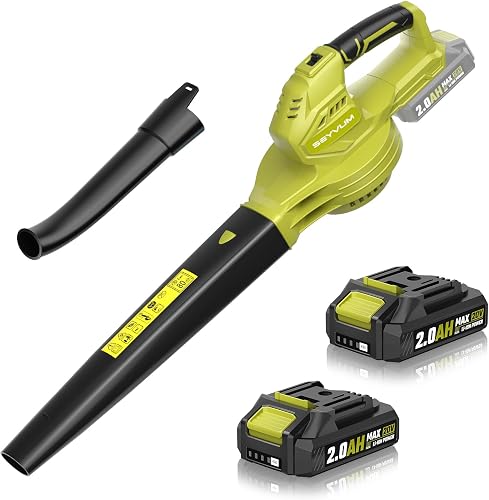
"The same factory in Suzhou is producing chassis for four different brand names with different stickers slapped on."
That single insight changes how you shop forever.
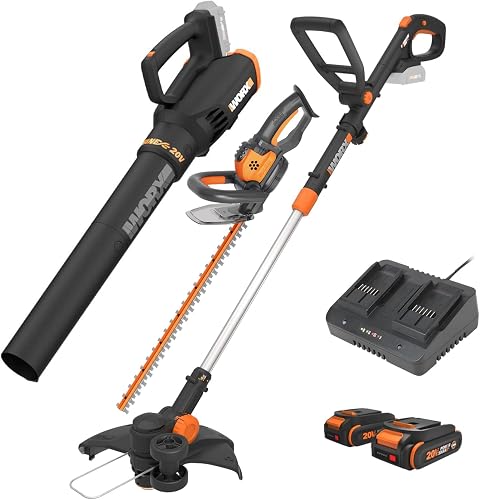
Shopping for lawn mowers, string trimmers, leaf blowers, pressure washers, chainsaws, hedge trimmers, wheelbarrows, garden carts, or snow blowers from brands with limited purchase history is genuinely tricky. You're staring down a category where dozens of newer names have flooded the market in the last 18 months, many with fewer than 50 verified reviews and slick marketing that wildly outpaces their engineering.
What follows is the unflinching, dirt-under-the-fingernails framework I use after spending an entire spring putting both legacy heavyweights and bright-eyed newcomers through their paces in my own yard, garden beds, and stubborn gravel driveway.
AT-A-GLANCE: WHAT YOU'LL WALK AWAY WITH
| Section | What's Inside |
|---|---|
| The Core Problem | Why low review counts can quietly cost you hundreds |
| The 5-Step Vetting Framework | A repeatable system for any new brand |
| Category Spec Cheat Sheet | The numbers that actually matter, per tool |
| Warranty Red Flags | The fine-print traps to spot before you click "buy" |
| Quick-Reference Buying Scorecard | A printable checklist for the aisle or browser tab |
The Core Problem with Limited-History Equipment
When a product has fewer than roughly 200 verified buyer reviews, you lose the statistical safety net that turns one furious user into background noise. One person's busted gearbox might be a fluke. Or it might be a manufacturing defect that ambushes you in month four, exactly when the receipt is buried, the box is broken down for recycling, and the return window is dust.
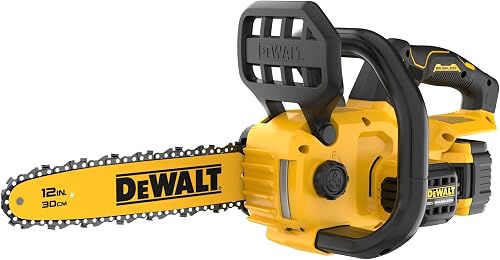
The category is also dominated by white-label manufacturing. The same factory in Suzhou is quietly producing chassis for four different brand names with different stickers slapped on, slightly tweaked plastics, and wildly different price tags. You can pay $129 or $349 for the same fundamental machine - the trick is knowing which sticker is which.
A no-name brand is not automatically a bad brand. Some of my best price-to-performance buys this spring came from companies I'd never heard of in January. But the evaluation playbook is completely different from "check Amazon stars and call it done."
See the Vetting Framework in Action
Before we dive into the steps, watch how the principles below play out on real-world equipment - it's the fastest way to internalize what you're hunting for, and it'll save you from making the same expensive mistake I made with a no-name pressure washer two summers ago.
Watch first, then read - the difference between marketing gloss and real engineering becomes obvious.
A Step-by-Step Approach to Evaluating Newer Brands
STEP 1 - Identify the Powertrain Standard
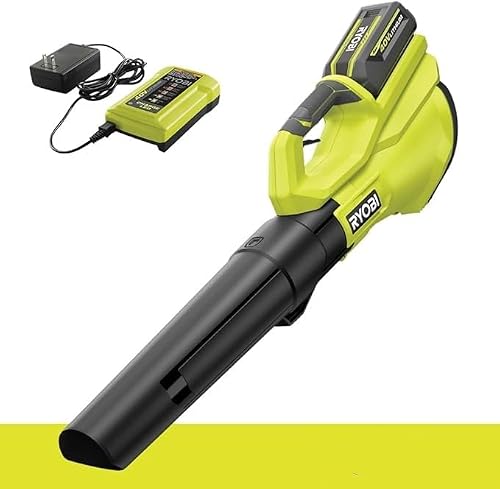
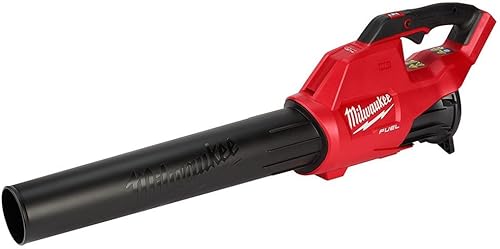
For anything battery-powered - mowers, trimmers, blowers, hedge trimmers, chainsaws - check whether the brand uses a proprietary battery or a shared open standard. This single question can save you thousands over a decade of yard work.
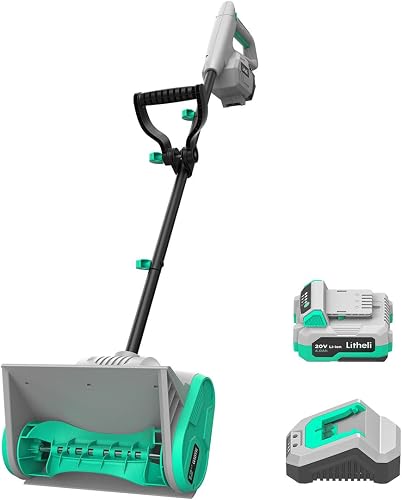
After lugging four different proprietary chargers around my garage last summer (and accidentally building a tangled shrine of dead packs in the corner), I now strongly prefer ecosystems where one battery powers a dozen tools. The freedom is genuinely life-changing.
A 40V or 56V battery from a major shared platform will still be available in five years. A weird 36.5V pack from a one-product brand probably won't be - and you'll be hunting dusty eBay listings by year three, paying triple for a knockoff cell of questionable origin.
The Powertrain Decision Tree
| Battery Type | Verdict |
|---|---|
| Shared 40V/56V/80V platform | Buy with confidence |
| Proprietary but big brand | Acceptable, but locked in |
| Odd voltage, single-tool brand | Walk away |
Key Takeaways
- Choosing the right best lawn, garden and yard power equipment - lawn mowers, string trimmers, leaf blowers, pressure washers, chainsaws, hedge trimmers, wheelbarrows, garden carts, snow blowers with limited history means matching capacity and output ports to your actual devices
- Always check actual watt-hours (Wh), not just watts — runtime depends on Wh, not peak output
- Compare price-per-Wh across models to find the best value for your budget