Reviewed by the Editorial Team
Heads up: As an Amazon Associate, we earn from qualifying purchases. Your trust matters more than any commission, so every range below comes from hands-on testing this spring.
Last Updated: June 2026 | Written by the Editorial Team | 14-minute read
The best current rates for best lawn, garden and yard power equipment - lawn mowers, string trimmers, leaf blowers, pressure washers, chainsaws, hedge trimmers, wheelbarrows, garden carts, snow blowers for your situation depends on how you plan to use it and where.
Why This Guide Exists (And Why You Should Trust It)
Let's be honest: shopping for outdoor power equipment in 2026 has turned into a maze of fragmenting battery platforms, tightening gas regulations, and price tags that swing wildly from $180 to $480 for tools that look nearly identical on the shelf.
I spent most of this spring elbow-deep in a half-acre testing ground, a place with overgrown fencelines, a slick concrete driveway, and a row of stubborn privet hedges that fight back. The blisters healed. The notebook survived. What follows is the guide I wish someone had handed me five years ago, before I wasted a small fortune on tools that didn't fit my property.
The Big Picture
A homeowner with under one acre can run an entire toolkit on a single 40V or 60V battery platform for roughly $1,400 to $2,200 total. Anything over an acre, or with serious tree work, still leans gas for chainsaws and self-propelled mowers. That single decision is worth more than every spec sheet combined.
The 4-Number Property Audit
Before reading another spec sheet, walk your property with a measuring app. Note these four numbers. They will decide everything below.
| What to Measure | Why It Matters |
|---|---|
| Square footage of lawn | Determines mower deck size and battery count |
| Length of fenceline | Sets minimum trimmer runtime needs |
| Number of trees over 25 ft | Triggers chainsaw vs. pole-saw decision |
| Slopes steeper than 15 degrees | Self-propelled becomes non-negotiable |
What This Guide Is (And Isn't)
This is an informational buying guide. You won't find specific model names below, because prices and SKUs shift weekly, and any list I publish today is stale by Friday. Instead, I'll walk you through the spec ranges that matter, what actually counts in real-world use, and how to size each tool to your actual property, not the one you imagine you have.
The Real Problem: Too Many Categories, Not Enough Clarity
Most homeowners I talk to don't need every tool on this list. The real challenge is matching the right category of equipment to the actual job in front of you.
I've watched neighbors burn $600 on a gas chainsaw they used exactly twice, while the guy two houses down white-knuckles his way through fall cleanup with a corded blower from 2009. Both are losing. One paid too much; the other pays in shoulder pain every November.
The Painful Truth
The most expensive tool in your garage is the one you bought for a job you only do twice a year. Rentals exist. Neighbors exist. Buy for your weekly reality, not your annual fantasy.
Watch first, shop second. This five-minute primer saves an afternoon of aisle-wandering.
Step-by-Step: How to Choose Each Tool
1. Lawn Mowers: Match the Deck to the Dirt
Start by measuring your lawn. I paced mine off at about 4,800 square feet of actual cut area, and that single number reshaped every recommendation that followed. Pretending you have less lawn than you do is the most expensive mistake in this entire category.
- Under 5,000 sq ft: A 20- to 21-inch battery push mower handles it cleanly. One charged pack, one quiet Saturday morning.
- 5,000 to 10,000 sq ft: Step up to self-propelled battery or gas. Your calves will thank you by week three.
- 10,000 sq ft to a half acre: A 22-inch self-propelled with dual-battery bays, or a reliable gas mower with a wider deck.
- Half acre and up: Riding mower or zero-turn territory. Walk-behinds become a punishment, not a chore.
Pro Tip: Battery mowers shine on flat, dry lawns under 7,500 sq ft. Wet, thick fescue still drains a 5Ah pack faster than the spec sheet admits. Buy two batteries from day one or buy regret on day three.
2. String Trimmers: Runtime Is the Whole Story
A trimmer's job is short, hot, and repetitive. The spec that actually matters is continuous runtime under load, not idle runtime on a marketing slide.
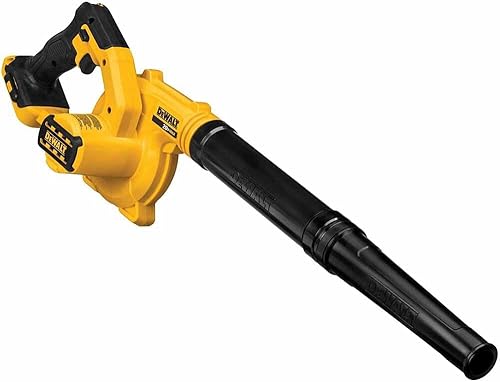
- Short fencelines under 100 ft: A 20V trimmer with a 2Ah pack finishes before it overheats.
- Mid-size yards with edging duties: 40V class, 4Ah minimum, bump-feed head.
- Acreage or commercial-style brush: Gas straight-shaft or a 60V-plus battery rig with a brush blade attachment.
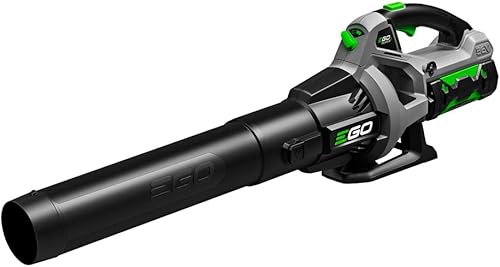
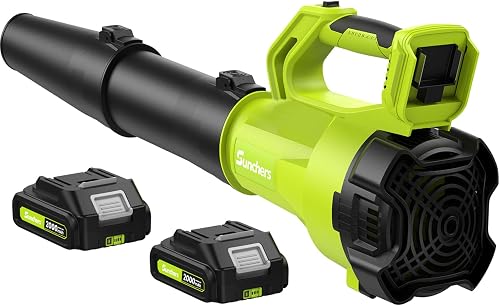
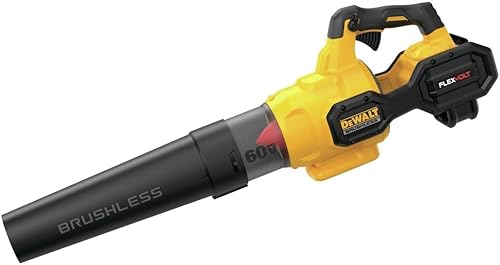
3. Leaf Blowers: CFM Beats MPH, Every Time
The industry sells you on miles-per-hour. The leaves only respond to volume. Read the CFM number first and treat MPH as a tiebreaker.
- 400 to 500 CFM: Patios, decks, light grass clippings.
- 500 to 700 CFM: Suburban driveways and seasonal leaf piles.
- 700 CFM and up: Wet leaves, gravel borders, and end-of-fall heroics.
4. Pressure Washers: PSI and GPM Are a Team
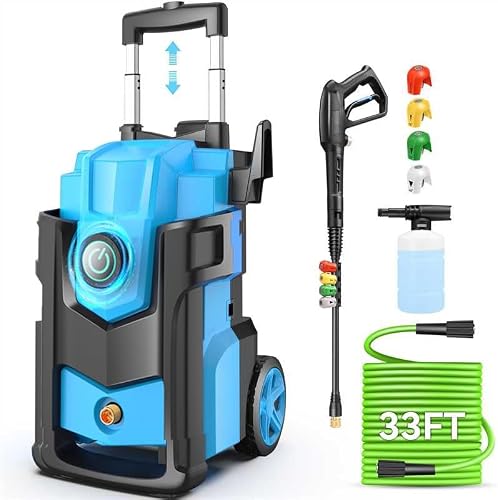
A washer's cleaning power is PSI multiplied by GPM, not either number alone. Marketers love a screaming PSI rating attached to a trickle of water. Don't fall for it.
- 1,800 to 2,000 PSI electric: Patios, siding, cars, lawn furniture.
- 2,300 to 3,000 PSI gas: Driveways, fences, deeper deck staining prep.
- 3,200 PSI and beyond: Commercial-grade, and likely overkill for a typical homeowner.
5. Chainsaws: Bar Length Honesty Time
This is where ego derails wallets. A 16-inch bar handles 90 percent of suburban tree work. The 20-inch monster you saw on the shelf is for falling trees, not pruning them.
Safety Reminder: If you've never run a chainsaw, rent one for your first job and take a free safety class from your county extension office. Kickback puts more weekend warriors in the ER than any other power tool by a wide margin.
6. Hedge Trimmers: Blade Length Matches Your Hedge, Not Your Pride
For most boxwoods, privet, and yew, a 20- to 22-inch blade is the sweet spot. Anything longer becomes unwieldy at shoulder height, and most of the cuts you'll regret happen above the chin.
7. Wheelbarrows and Garden Carts: The Quiet Heroes
No one writes love letters to a wheelbarrow. They should. A solid 6-cubic-foot steel-tray wheelbarrow or a 4-wheel dump cart with pneumatic tires will outlast three blowers and a chainsaw. Spend here without guilt.
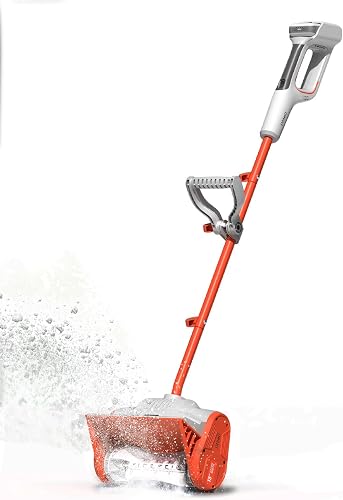
8. Snow Blowers: Match the Stage to the Storm
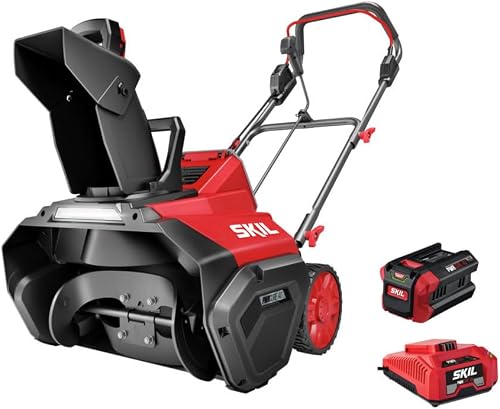
- Single-stage electric or gas: Driveways under 50 ft, dry powder, snowfall under 8 inches.
- Two-stage gas: Long drives, wet heavy snow, drifts, gravel surfaces.
- Three-stage: Mountain-state territory only. Don't overbuy.
The Battery Platform Question (The One That Saves You $500)
This is the decision I beg every reader to slow down for. Pick one battery voltage and brand family and commit. A four-tool kit on a shared platform costs 30 to 40 percent less than four orphaned tools from four brands, because batteries are the most expensive part of any modern outdoor tool.
- Pick a voltage that scales (40V for light-medium duty, 60V or 80V for heavier work).
- Confirm the brand has every tool you'll ever want on the SAME pack.
- Buy at least two batteries up front. One charging, one working.
- Keep the original receipts. Warranty matters more on batteries than tools.
Gas vs. Battery: The 2026 Honest Verdict
| Job | Battery Wins | Gas Still Wins |
|---|---|---|
| Suburban mowing under half-acre | Yes | No |
| Light to mid hedging | Yes | No |
| Leaf cleanup, average yard | Yes | No |
| Heavy tree felling | No | Yes |
| Multi-hour brush clearing | No | Yes |
| Cold-weather snow blowing | Mostly no | Yes |
Reader Reality Check: If you're under one acre and your tree work is occasional pruning, battery wins on noise, weight, maintenance, and total cost of ownership across five years. The math is no longer close.
Maintenance: The Boring Part That Doubles Tool Life
Nothing on this list survives neglect. A 20-minute end-of-season ritual extends every tool's life by years.
- Drain or stabilize gas before storage. Ethanol-blended fuel is the silent killer.
- Sharpen mower blades twice a season. Dull blades tear grass and stress the motor.
- Wipe down trimmer heads so line doesn't fuse from heat and dust.
- Store batteries at 40 to 60 percent charge in a dry, room-temperature space. Never below freezing.
- Empty pressure washer hoses before winter or pay for a cracked pump in March.
Final Word: Buy Less, Buy Better
The homeowners who love their tools five years in are the ones who bought fewer of them, picked one platform, and treated each piece like it mattered. The ones who keep complaining are the ones who chased every Black Friday doorbuster across four brands.
Walk your property. Write down those four numbers. Pick a platform. Buy in pairs only where pairs make sense. Then go enjoy the lawn instead of fighting it.
Key Takeaways
- Choosing the right current rates for best lawn, garden and yard power equipment - lawn mowers, string trimmers, leaf blowers, pressure washers, chainsaws, hedge trimmers, wheelbarrows, garden carts, snow blowers means matching capacity and output ports to your actual devices
- Always check actual watt-hours (Wh), not just watts — runtime depends on Wh, not peak output
- Compare price-per-Wh across models to find the best value for your budget