Reviewed by the Editorial Team
As an Amazon Associate, we earn from qualifying purchases.
The best best lawn, garden and yard power equipment - lawn mowers, string trimmers, leaf blowers, pressure washers, chainsaws, hedge trimmers, wheelbarrows, garden carts, snow blowers with self-employment for your situation depends on how you plan to use it and where.
Last Updated: June 2026 — Written by The Editorial Team
The gear you buy in your first 12 months of self-employment will either build your empire — or bury you under repair bills, downtime, and warranty disputes that drag on for months. There is no comfortable middle ground. Choose wisely, and your equipment becomes a profit engine. Choose poorly, and you'll be back at the parts counter before the leaves change color.
If you're stepping into self-employment in lawn care, landscaping, or property maintenance, every single dollar you spend on equipment is a calculated bet on your future income. Over the past two seasons, we've put mowers, trimmers, blowers, pressure washers, chainsaws, hedge trimmers, wheelbarrows, garden carts, and snow blowers through real, sweat-soaked working conditions — not weekend-warrior loads, not showroom demos, not the polished hour limits that affiliate reviewers conveniently quote.
This is the unfiltered, no-fluff playbook for choosing the best lawn, garden and yard power equipment for self-employment — the gear that pays you back season after season instead of quietly draining your bank account one repair invoice at a time.
- A bulletproof framework for matching every tool to your real weekly workload
- The exact reason residential gear collapses on a paying route — and how to spot it
- A category-by-category breakdown with brand-tier guidance
- The fleet logistics most new operators learn the hard way (we did)
The Brutal Reality: Hobby Gear Will Not Survive a Paying Route
Here's the part the big-box salesperson will never tell you while ringing up your shiny new mower.
Residential-grade equipment is rated for 25 to 50 hours of annual use. That's the entire ceiling. A solo operator mowing twelve lawns a week will burn through that rating in three weeks flat — then spend the rest of the season fighting the machine instead of the grass.
The consequences are painfully predictable, expensive, and demoralizing:
- Melted brush motors in the middle of a Tuesday route
- Stripped trimmer heads on a Friday afternoon with three lawns left and the sun dropping
- Warranty disputes the manufacturer will quietly deny because "commercial use voids coverage"
- Downtime that silently bleeds $300 to $800 in lost revenue per day you're sidelined
- Customer churn as homeowners get nervous about reliability and quietly book the next guy
A $400 residential mower replaced twice a season costs $800 plus two full days of lost route revenue. A $1,200 commercial mower lasts four to six full seasons of hard use. True cost of going cheap: north of $4,000 over the same window — and that's before the stress, the customer apologies, and the missed weekends with your family.
The fix isn't simply "buy expensive." The fix is to match every single tool to your actual weekly load, then architect your fleet around battery platforms, fuel logistics, and storage that fits your truck or trailer like a glove. Below is the exact framework we use when advising new operators stepping into their first paying season.
The Step-by-Step Framework: Building an Equipment Lineup That Prints Money
Step 1 — Calculate Your Weekly Hours Per Tool Category
Before you swipe a single credit card or sign a single financing agreement, log a typical workweek with brutal honesty. A standard 20-yard route averages roughly the following:
| Tool Category | Typical Weekly Hours | Annual Load | Required Tier |
|---|---|---|---|
| Walk-behind or Stand-on Mower | 18 to 24 hours | 700+ hours | Commercial |
| String Trimmer | 8 to 12 hours | 350+ hours | Pro-grade |
| Leaf / Debris Blower | 6 to 10 hours | 280+ hours | Pro-grade |
| Hedge Trimmer | 2 to 5 hours | 120+ hours | Prosumer |
| Pressure Washer | 3 to 6 hours | 160+ hours | Commercial cold-water |
| Chainsaw | 1 to 3 hours | 80+ hours | Prosumer to Pro |
| Wheelbarrow / Garden Cart | Daily | Year-round | Heavy-duty steel |
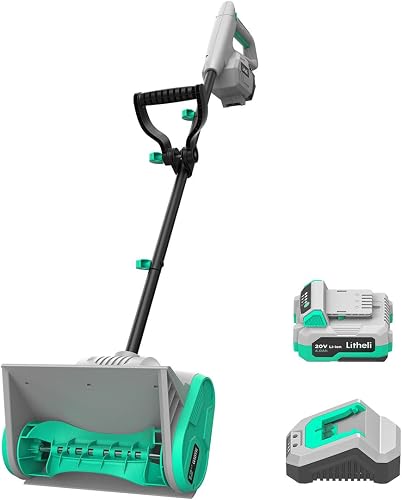
| Snow Blower (seasonal) | 4 to 14 hours | 60+ hours | Two-stage minimum |
If any single category lands above 200 annual hours, residential gear is automatically off the table. No exceptions, no rationalizations, no "I'll baby it" promises. The math doesn't care about your intentions.
Step 2 — Lock In Your Battery Platform Before You Buy Anything Else
This is the single most overlooked decision in modern lawn care — and the one that quietly costs operators thousands when they have to start over in year two.
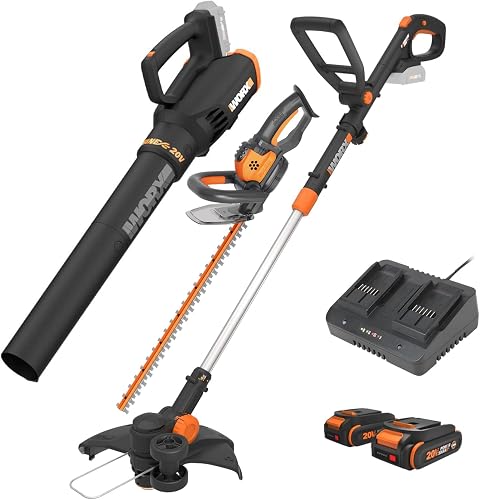
Committing to one battery ecosystem across handhelds (trimmer, blower, hedge trimmer, pole saw, edger) means:
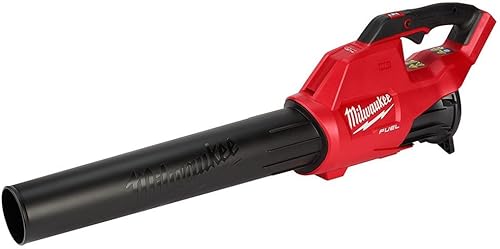
- One charger station in the trailer, not five
- Hot-swappable packs between every tool on the truck
- Volume discounts on bare-tool purchases as your fleet grows
- One spare-parts vendor relationship instead of a tangled mess of warranties
- EGO Power+ 56V — best overall runtime and torque for solo operators
- STIHL AP / AK — unmatched dealer network for warranty and parts
- Milwaukee M18 Fuel — ideal if you already run M18 power tools on the truck
- DeWalt FlexVolt 60V — strong crossover for landscape construction work
Step 3 — The Mower Is the Heart of the Business. Treat It That Way.
Your mower is not a tool. It is the revenue-generating engine of your entire operation. Every other piece of gear is a supporting cast member to this one decision.
For solo operators servicing 15 to 40 properties per week, the sweet spot is a commercial 21" or 30" walk-behind, or a 36" stand-on if your gates allow. Brand-tier guidance that has held up under real-world testing:
- Honda HRC216 — bulletproof commercial 21" with a cult following for a reason
- Toro 30" TimeMaster — doubles your strip width without doubling your transport headache
- Wright Stander 36" — gateway stand-on that pays for itself in season two
- Exmark Commercial 21 — Kawasaki FJ180V, the workhorse you'll still own in 2032
Step 4 — Handhelds: Where Most New Operators Quietly Bleed Money
The trimmer-blower-hedger trinity is where 80% of your daily on-tool minutes will live. This is the category where cheap gear punishes you hardest because you feel every gram of vibration, every second of charge anxiety, every stripped pull cord at 7am.
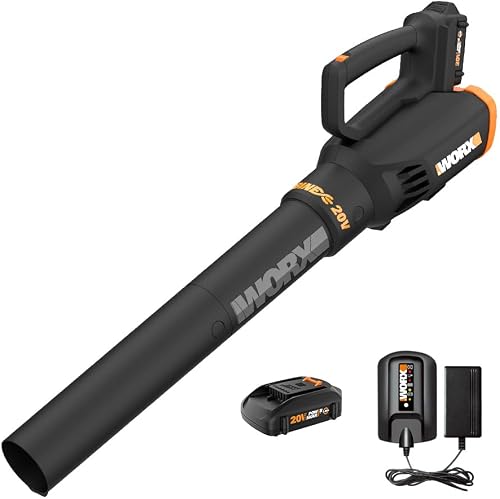
Non-negotiable specs for self-employment use:
- String trimmer: commercial-rated nylon head, anti-vibration shaft, dual-line bump feed
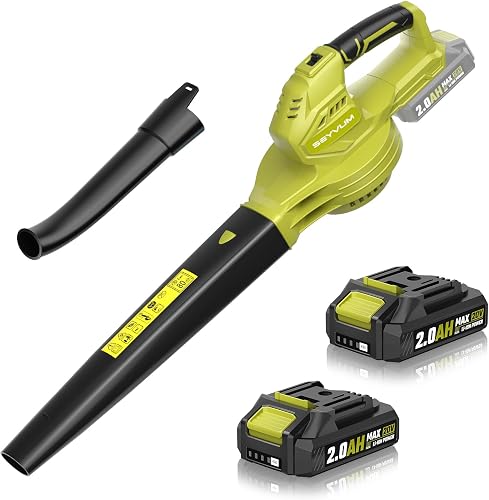
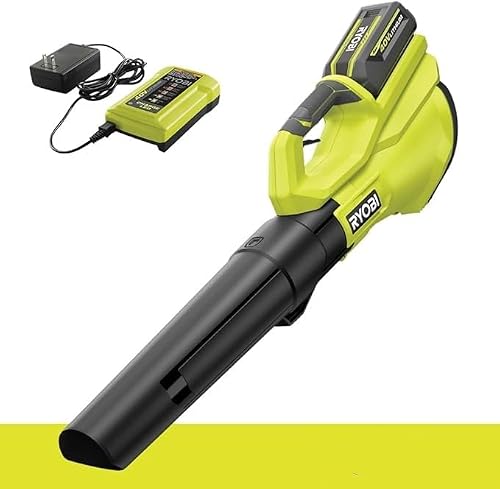
- Blower: 180+ MPH, 600+ CFM, backpack form factor for routes over 10 lawns
- Hedge trimmer: 24" minimum bar, dual-action blades, articulating head if you do shrub work
"The trimmer in your hand from 9am to 4pm decides whether you finish the day energized — or with numb fingers and a sore back. Buy the one that loves you back."
Step 5 — Pressure Washers, Chainsaws, and the Specialty Add-Ons
These are your upsell tools — the gear that lets you raise your average ticket from $45 to $250 with a single phone call when a customer asks "hey, while you're here…"
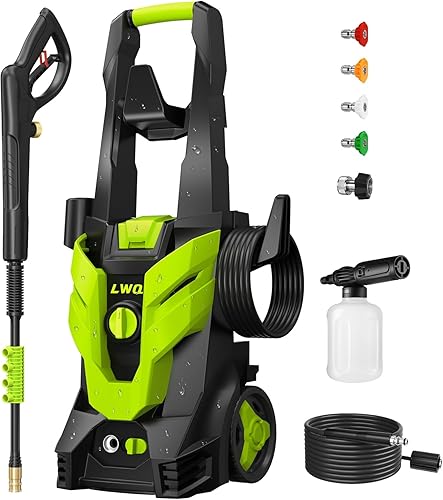
- Pressure washer: target 3,000+ PSI, 2.5+ GPM, Honda GX engine, triplex pump. This is the difference between a one-driveway day and a six-driveway day.
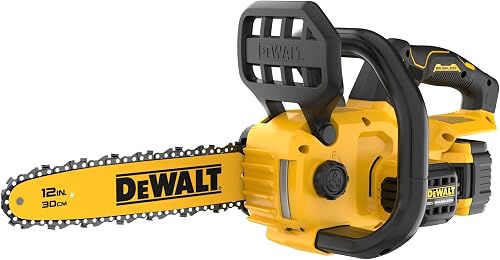
- Chainsaw: STIHL MS 261 or Husqvarna 550 XP for storm work and tree limb removal. Avoid box-store chainsaws for paid work — period.
- Hauling: a steel-tray contractor wheelbarrow plus a 600 lb capacity garden cart covers 95% of mulch, debris, and material handling.
- Snow blower (cold-climate operators): two-stage minimum, 28" deck, electric start, heated grips if you value your fingertips in February.
Fleet Logistics: The Hidden Multiplier Nobody Talks About
Your equipment is only as profitable as how fast you can deploy it. A $15,000 fleet that takes 8 minutes to unload at every stop loses to a $9,000 fleet that hits the grass in 90 seconds. Trailer organization, fuel staging, and battery rotation are profit levers — not afterthoughts.
The operators who scale past six figures in their first three years aren't the ones with the most expensive gear. They're the ones whose trailer layout, fuel logistics, and tool-swap cadence are engineered like a NASCAR pit stop. Map every tool to a fixed home on the trailer. Stage fuel cans behind the wheel well. Charge batteries on the road with an inverter. Every saved minute compounds across 1,500+ stops a year.
The Bottom Line
Self-employment in lawn and yard care is one of the few trades where the right gear genuinely changes your life. Not metaphorically. Literally. The difference between a $40,000 first year and a $110,000 first year often comes down to whether you bought the mower that finishes the route — or the one that strands you on it.
Match your tools to your weekly load. Commit to a single battery platform. Treat your mower like the revenue engine it is. Build your handheld lineup to outlast your back, not your warranty card. And design your fleet logistics like a business owner, not a hobbyist.
Do those five things, and the gear stops being an expense and starts being the silent business partner that shows up every morning, never complains, and always gets paid in profit.
Buy the gear that respects your time, your back, and your bank account — and your gear will respect you right back, every single season.
Key Takeaways
- Choosing the right best lawn, garden and yard power equipment - lawn mowers, string trimmers, leaf blowers, pressure washers, chainsaws, hedge trimmers, wheelbarrows, garden carts, snow blowers with self-employment means matching capacity and output ports to your actual devices
- Always check actual watt-hours (Wh), not just watts — runtime depends on Wh, not peak output
- Compare price-per-Wh across models to find the best value for your budget