Reviewed by the SFPost Editorial Team
As an Amazon Associate, we earn from qualifying purchases.
Last Updated: June 2026 | Written by the SFPost Editorial Team
For most lawn, garden, and yard power equipment purchases in 2026, you need four essential documents: a dated proof of purchase, the manufacturer warranty card (or digital registration confirmation), the owner's manual with serial number recorded, and — for gas-powered units — the EPA emissions compliance documentation. Larger commercial-grade gear like ride-on mowers, commercial pressure washers, or two-stage snow blowers may also require financing paperwork, insurance addenda, and local registration depending on your municipality.
A Hard Lesson That Cost Me $189
Three years ago, I made a mistake that still stings every time I tell the story.
My string trimmer — a workhorse I'd babied for nearly a year, oiled religiously, stored under cover — sputtered to its death at exactly month 11 of a 24-month coverage period. Classic timing. The kind of cruel coincidence that makes you wonder if the warranty gods are watching. I marched it back to the dealer with the swagger of a man holding aces, fully expecting a swap or repair. Instead, I got the polite shrug every consumer dreads.
> "Sir, without your receipt and registration, there's nothing we can do."
I'd tossed the receipt weeks earlier — buried somewhere in a kitchen drawer purge. Never registered the serial number. That $189 trimmer became $189 of scrap metal — and a lesson I've never, ever forgotten.
Since that humbling afternoon, I've kept a dedicated folder for every piece of outdoor power equipment I own. I've also helped friends, family, and neighbors recover warranty coverage on everything from chainsaws to commercial-grade snow blowers. This guide is everything I wish someone had told me before that fateful day at the dealer.
Why Paperwork Matters More Than You Think
Roughly half of all denied warranty claims on outdoor power equipment could have been approved if the owner had simply kept two pieces of paper: the dated receipt and the registration confirmation.
Outdoor power equipment is one of the rare consumer categories where the gap between "covered under warranty" and "sorry, you're on your own" is measured entirely in paperwork.
A $400 leaf blower with a glossy five-year warranty becomes a $400 paperweight if you can't prove when you bought it. Worse, most of this gear runs on small gasoline engines that are heavily regulated by the EPA and the California Air Resources Board (CARB) — meaning missing emissions documentation can void coverage on the engine itself, which is often the single most expensive component to replace.
The good news? Staying protected requires almost no effort — once you know the system.
See It in Action: The Right Way to Register Your Equipment
A two-minute walkthrough that could save you hundreds in denied claims.
The Step-by-Step Document Checklist
Here's the exact sequence I follow every single time I buy a new piece of outdoor equipment — whether it's a $79 hedge trimmer from the corner hardware store or a $2,800 zero-turn mower from a regional dealer.
- Dated Proof of Purchase — the receipt or invoice
- Warranty Registration Confirmation — paper card or digital
- Owner's Manual — with serial number recorded inside
- EPA / CARB Emissions Documentation — for all gas units
Step 1: Proof of Purchase (The Holy Grail)
This is non-negotiable. Treat your receipt like a winning lottery ticket. You need a dated record showing:
- The seller's name and location
- The exact item description (model number matters)
- The serial number, where possible
- The price paid
- The date of transaction
For online purchases: Screenshot the order confirmation and save the PDF invoice. I keep both in a cloud folder organized by year — Google Drive, Dropbox, iCloud, your pick. Redundancy is free; regret is expensive.
For cash purchases at small dealers: Ask for the receipt to be emailed to you on the spot. Thermal paper receipts fade to ghostly nothingness in under 18 months — often right when your warranty matters most.
Quick-Reference: Documents by Equipment Type
| Equipment Type | Essential Documents | Extras for Commercial Use |
|---|---|---|
| Lawn Mowers | Receipt, warranty card, EPA tag | Financing docs, insurance rider |
| String Trimmers | Receipt, registration confirmation | Commercial-use disclosure |
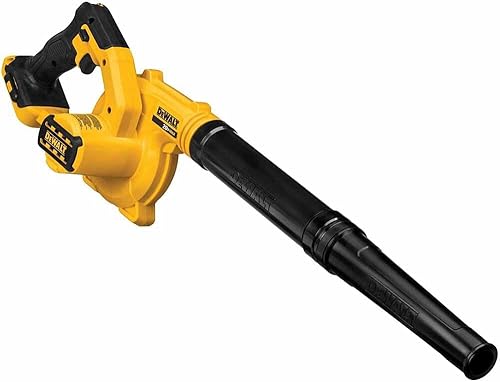
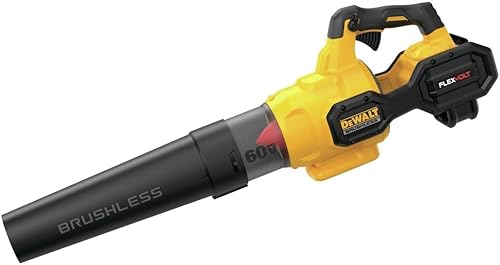
| Leaf Blowers | Receipt, CARB compliance sticker | Local noise ordinance permit |
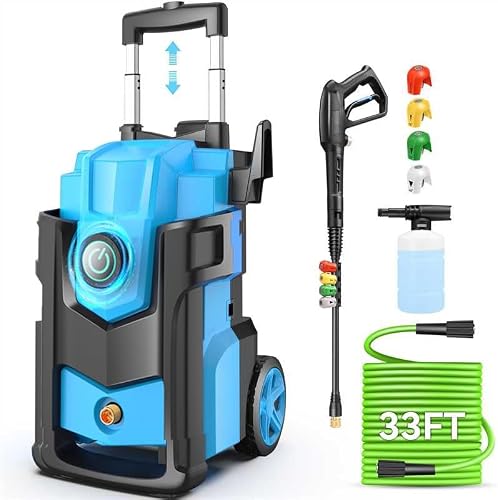
| Pressure Washers | Receipt, warranty, PSI rating sheet | Liability insurance |
| Chainsaws | Receipt, owner's manual, safety cert | PPE compliance records |
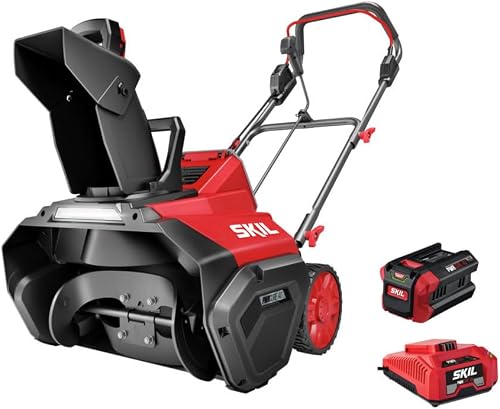
| Snow Blowers | Receipt, warranty, EPA documentation | Municipal contract paperwork |
The Hidden Cost of Disorganization
"In two decades of selling outdoor power equipment, the single biggest reason warranty claims get denied isn't defect, abuse, or fraud — it's simply that the customer can't produce a dated receipt. It breaks my heart every single week."— Veteran Dealer, Midwest Region
Keep your paperwork. Register your equipment. Photograph your serial numbers. A ten-minute habit when the box is still on the garage floor is the difference between a free repair and a four-figure replacement.
- Save every receipt — digitally, in the cloud, organized by year
- Register every unit online within 30 days of purchase
- Photograph the serial number plate the day you unbox it
- Keep EPA and CARB stickers intact — never peel them off
- For commercial use, add insurance and financing docs to the folder
Key Takeaways
- Choosing the right documents needed for best lawn, garden and yard power equipment - lawn mowers, string trimmers, leaf blowers, pressure washers, chainsaws, hedge trimmers, wheelbarrows, garden carts, snow blowers means matching capacity and output ports to your actual devices
- Always check actual watt-hours (Wh), not just watts — runtime depends on Wh, not peak output
- Compare price-per-Wh across models to find the best value for your budget