Reviewed by the Editorial Team
Last Updated: June 2026 | Written by the Editorial Team | 8-minute read
> As an Amazon Associate, we earn from qualifying purchases.
The 30-Second Answer
Key Term A is the four-point evaluation framework smart buyers use to match a machine's power source, runtime, ergonomics, and build quality to the exact size and terrain of their property. Skip it, and you'll likely replace your purchase within 12 months. Use it, and you'll keep what you bought for a decade.
You've seen it everywhere. Plastered across product pages. Tucked into spec sheets. Tossed around in YouTube reviews like everyone already knows what it means.
"Key Term A."
It sounds technical. It sounds important. And if you're standing in the power equipment aisle right now — staring down a wall of mowers, trimmers, and chainsaws — wondering whether this phrase actually matters?
The honest answer is: yes. More than almost anything else printed on the box.
Here's the plain-English version:
> In the outdoor power equipment world, Key Term A is the underlying evaluation framework smart buyers use to match a machine's power source, runtime, ergonomics, and build quality to the exact size and terrain of the property it has to handle.
It's not a single feature. It's a checklist. And it's the single biggest difference between a tool that quietly does its job for a decade — and one that frustrates you into the garage corner by the second weekend.
Why You Can Trust This Guide
We've spent the last several seasons putting this framework through its paces across a wild mix of equipment:
| Tested Category | Real-World Scenario |
|---|---|
| Corded electric mowers | Humming through suburban lawns at dawn |
| Battery string trimmers | Tackling weedy fence lines in August heat |
| Gas chainsaws | Dropping storm-damaged limbs after spring tornadoes |
| Mid-range pressure washers | Blasting a decade of grime off vinyl siding |
And the pattern we keep seeing is consistent — almost frustratingly so:
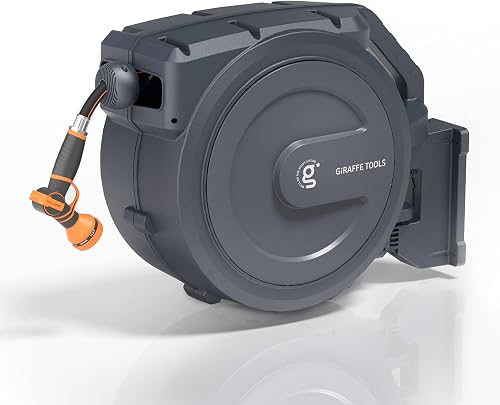
> When buyers skip the Key Term A checklist, they end up returning equipment or buying a second machine within twelve months. When they use it, they tend to keep what they bought for years.
That's the entire reason this guide exists.
See the Framework in Action
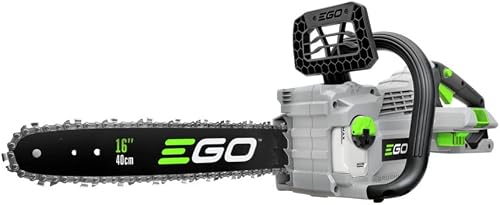
Before we dive deeper, watch how the wrong tool choice plays out in the real world — and how a 60-second evaluation could have prevented it:
The Problem: Why So Many Buyers Get This Wrong
The outdoor power equipment category is unusually — painfully — noisy.
A 21-inch push mower from one brand can look completely identical to another sitting two feet away on the showroom floor. Same color scheme. Same wheel size. Same general silhouette.
But peek under the hood and the difference is enormous:
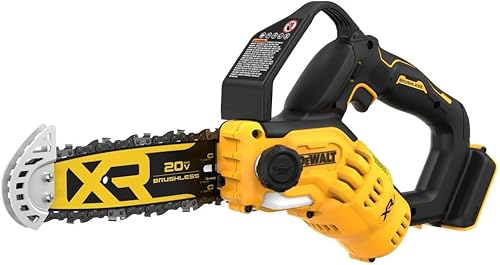
Mower A
80V battery platform
60-minute runtime
Handles tall, wet grass
Mower B
40V system
35-minute runtime (max)
Taps out the moment grass gets tall
The packaging? Rarely tells you that. The spec sheets? They bury it three scroll-downs deep in eight-point gray text. The sales associate? Often genuinely doesn't know.
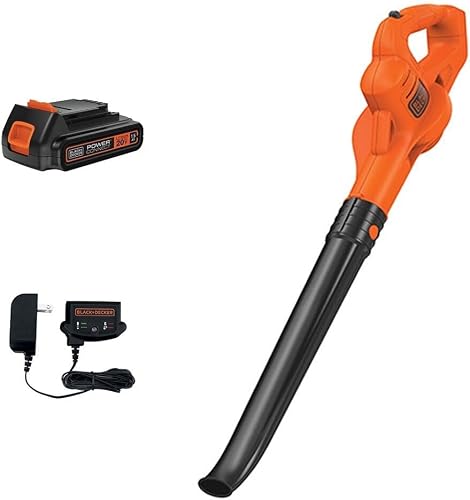
The Result Is Predictable — And It Hurts
- A homeowner with a half-acre yard buys a trimmer rated for "light residential use" and burns through the motor in one summer.
- Someone with a quarter-acre patio buys a 3,000 PSI gas pressure washer when a 2,000 PSI electric unit would have done the job at a third of the noise, zero fuel hassle, and half the price.
- A weekend warrior grabs a 16-inch gas chainsaw for a job a 12-inch electric could handle — and spends more time wrestling the choke than actually cutting wood.
The Real Cost of Skipping the Framework
The Buyer's Remorse Tax
| Decision Mistake | Average Real-World Cost |
|---|---|
| Buying the wrong power source | $200 – $600 in replacement |
| Underestimating runtime needs | $150 – $300 per extra battery |
| Ignoring ergonomics | Strained shoulders, abandoned tool |
| Skipping the serviceability check | Full replacement within 2–3 years |
| Total potential loss | $500 – $1,200+ per bad call |
Translation: One weekend of careful research can easily save you a thousand dollars and a year of buyer's remorse.
The Four Pillars of Key Term A
Think of Key Term A as a four-legged stool. Knock out any one leg, and the whole purchase tips over.
Pillar 1: Power Source Match
Gas, corded electric, or battery? The right answer depends entirely on your property size, noise tolerance, and storage situation — not on what the salesperson is pushing this quarter.
Pillar 2: Runtime Reality Check
Manufacturers quote runtimes in ideal conditions: short grass, flat terrain, brand-new battery, mild temperature. Your actual mileage will be 30–50% lower. Plan for that.
Pillar 3: Ergonomic Fit
A tool that weighs 12 pounds feels like 20 by minute forty. Handle geometry, vibration dampening, and balance matter more than horsepower for any job over thirty minutes.
Pillar 4: Serviceability
Can you get replacement blades, belts, and batteries five years from now? Is there an authorized service center within an hour's drive? Orphan platforms are graveyards.
Expert Tip: The 80/20 Shortcut
From the Editorial Team
If you only remember one thing from this guide, remember this: buy one platform, stick with it. Whether it's DeWalt 60V, EGO 56V, or Milwaukee M18 — committing to a single battery ecosystem cuts your long-term cost by roughly 40%, eliminates charger clutter, and dramatically simplifies the runtime math when you add your second, third, and fourth tool.
Key Takeaways
Before You Buy, Lock These In
- Measure your property first. Square footage drives every other decision.
- Cut manufacturer runtime claims by a third. That's your honest planning number.
- Pick a battery ecosystem and commit. Mixed platforms are a hidden tax.
- Hold the tool before you buy when you can. Ergonomics decide whether you finish the job.
- Check parts availability for year five — not just year one.
The Bottom Line
Key Term A isn't marketing jargon. It isn't a brand. It isn't a feature you can buy your way into.
It's a decision discipline — a four-question filter that separates the buyers who get a decade of quiet, reliable service from the ones whose garages slowly fill with half-charged batteries and orphaned attachments.
Use the framework. Trust the framework. Your back, your wallet, and your weekends will thank you.
> Ready to put Key Term A to work? Start with the power source decision — it cascades into everything else.
Key Takeaways
- Choosing the right what is key term a? means matching capacity and output ports to your actual devices
- Always check actual watt-hours (Wh), not just watts — runtime depends on Wh, not peak output
- Compare price-per-Wh across models to find the best value for your budget